What is a mustache transplant?
The procedure in which hair follicles are taken from a donor area and transplanted to the mustache area is called mustache transplantation, and it aims to strengthen sparse or absent mustaches. The follicles are placed in the recipient area at a natural angle, creating an aesthetically pleasing mustache line. The procedure is performed under local anesthesia and involves minimal trauma. Mustache transplantation is a safe method to enhance facial aesthetics and provide symmetry. Doctors meticulously plan the density and angle. The recovery period is short, and the patient can return to their daily routine quickly. This method supports the achievement of natural and aesthetic results.
Who is a suitable candidate for a mustache transplant?
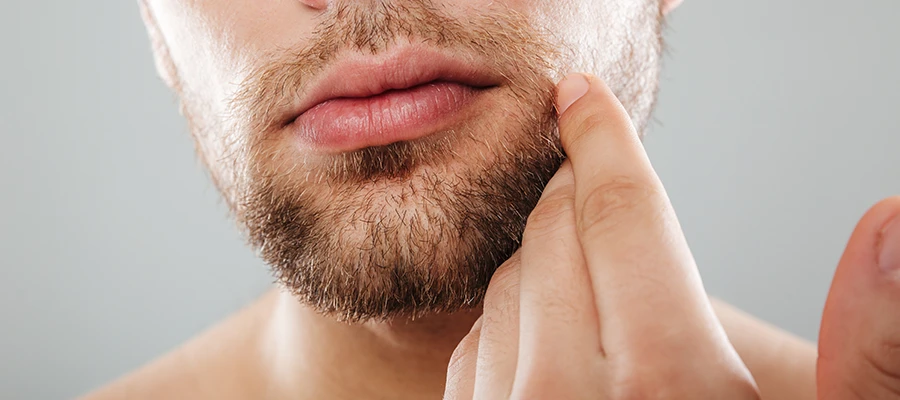
Adults experiencing sparse mustache, lack of mustache growth, or asymmetrical mustache are suitable candidates for mustache transplantation. If there are sufficient donor hair follicles, the procedure can be performed safely. Doctors meticulously plan the density and angles of the follicles. Mustache transplantation is ideal for patients who want to create a natural mustache line and improve their aesthetic appearance. The procedure is performed under local anesthesia and involves minimal trauma. This ensures both safe and successful results.
What causes sparse mustache and lack of mustache growth?
Thinning of the mustache can occur due to genetic factors, hormonal imbalances, or hair follicle damage. In some patients, there is insufficient follicle growth, preventing mustache growth. Mustache transplantation can solve this problem by placing donor hair follicles at a natural angle to the recipient area. Doctors meticulously plan the density and angles. The procedure, performed under local anesthesia, is completed with minimal trauma, and the patient experiences minimal discomfort. This results in an aesthetically pleasing and natural mustache line.
How is a mustache transplant performed?
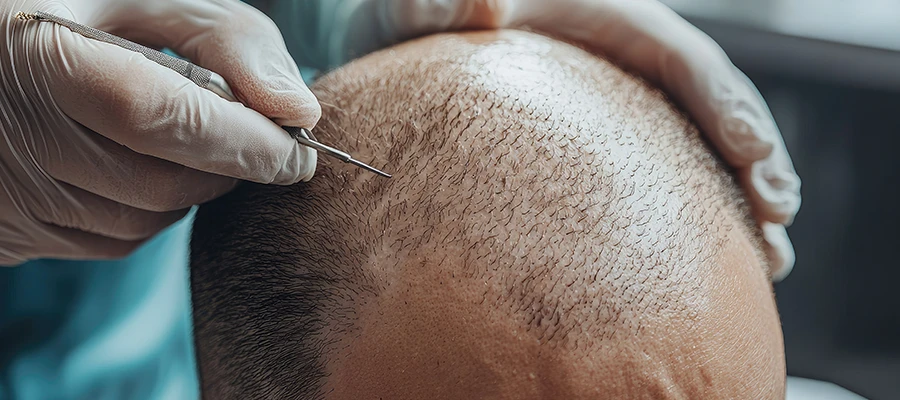
Follicles taken from the donor area are placed in the recipient area using special techniques during mustache transplantation. The follicles are positioned at a natural angle, and the density plan is determined by the doctor. Since local anesthesia is applied, the patient experiences minimal discomfort. During the procedure, the roots are placed in the recipient area without damage. Mustache transplantation allows for the achievement of a natural mustache line and aesthetic appearance. The procedure is performed with minimal trauma, and the recovery period is short.
What are the methods of mustache transplantation?
The most commonly used methods are FUE and DHI techniques. During mustache transplantation, follicles are placed in the recipient area at a natural angle using special hand instruments or an implanter pen. Channel opening is done with minimal trauma and local anesthesia is applied. Doctors plan the density and angles of the follicles to ensure aesthetic and natural results. These methods support the transplantation of mustache roots without damage and the achievement of aesthetic results.
FUE Moustache Transplant
In the FUE technique, follicles are individually extracted from the donor area and placed in the recipient area at a natural angle during mustache transplantation. The procedure, performed with minimal trauma, increases the success rate of the grafts. Local anesthesia is applied, and the patient experiences minimal discomfort. Doctors meticulously plan the density and angle. This method creates an aesthetically pleasing and natural mustache line.
DHI Moustache Transplant
In the DHI technique, follicles are placed in the recipient area without creating channels using a special implanter pen, and the roots are implanted with minimal trauma during mustache transplantation. Thanks to the application of local anesthesia, the patient is comfortable. Doctors plan the angle and density of the follicles. This method provides a natural mustache line and a high retention rate. The procedure supports achieving a safe and aesthetic result.
How to Plan a Mustache Design?
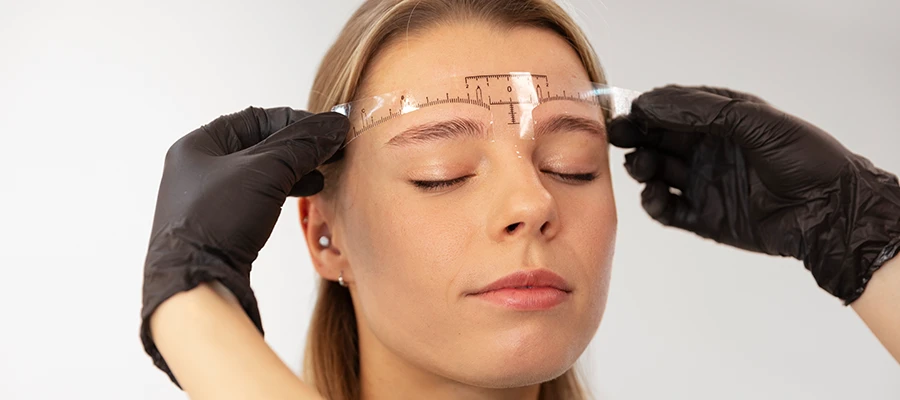
Moustache design is created taking into account the face shape and the patient’s wishes. During moustache transplantation, follicles are placed at a natural angle, and density planning is meticulously applied. Doctors consider symmetry and aesthetic appearance. The procedure is performed under local anesthesia, and minimal trauma is applied. This ensures a natural and aesthetically pleasing moustache line, and the patient recovers quickly.
How many grafts are needed for a mustache transplant?
The number of grafts required for a mustache transplant depends on the size of the mustache area and the desired density. Typically, 200–400 follicles are used, but this number can be increased depending on the needs and donor capacity. Doctors consider aesthetic appearance and symmetry when planning the number of grafts. During mustache transplantation, follicles are placed at a natural angle to ensure a high retention rate. The procedure promotes an aesthetically pleasing and natural result.
Recovery Process After Moustache Transplant
After the procedure, the transplanted follicles heal quickly, and patients can usually return to their daily routine within 5–7 days. Mild redness or crusting is normal and disappears within a few days. Doctors provide post-operative care instructions and offer suggestions to reduce the risk of infection. Because the follicles are transplanted at a natural angle, the mustache line is aesthetically formed. The minimally invasive method accelerates healing and increases patient comfort.
Mustache Transplant Risks and Side Effects
Although mustache transplantation is a minimally invasive procedure, some patients may experience mild swelling, redness, or crusting. In rare cases, donor area sensitivity or follicle trauma may occur. Doctors evaluate the patient’s medical history before the procedure and take precautions to minimize risks. Since the follicles are implanted at a natural angle, the success rate is high. Following post-procedure instructions ensures minimal side effects and the preservation of aesthetic results. This method offers both a safe and aesthetically pleasing mustache transplantation process.
Moustache Transplant Prices 2026
As of 2026, the price of mustache transplantation generally ranges from €460 to €1,500, depending on the number of grafts, clinic conditions, and procedure duration. The condition of the donor area, the technique used, and the doctor’s experience are the main factors affecting the price.
Frequently Asked Questions
Does a mustache transplant look natural?
When performed with the correct angle and density planning, mustache transplantation provides a natural look, and the transplanted follicles are placed in their natural direction. The follicles are placed in the recipient area with minimal trauma during channel creation, and the mustache line is aesthetically shaped. Doctors meticulously plan the density and angle. The procedure is performed under local anesthesia, and the recovery time is short. Mustache transplantation is a safe and effective method for patients who want to achieve a natural and aesthetic appearance.
Will there be scars after a mustache transplant?
Thanks to the minimally invasive procedure, scarring after mustache transplantation is very low. Mild redness or crusting may be observed in the donor and recipient areas, but it will disappear within a few days. Since the follicles are implanted at a natural angle, the mustache line is aesthetically formed. Doctors plan the density and angles of the roots. The procedure is completed under local anesthesia, and the patient can return to their daily routine in a short time. This method guarantees both follicle engraftment and an aesthetically pleasing result.
Is Moustache Transplant a Painful Procedure?
Because local anesthesia is applied during the procedure, mustache transplantation is completed with minimal discomfort and little to no pain in most patients. The donor area and the recipient area are treated with a special technique, thus reducing the risk of trauma and pain. Doctors meticulously plan the angle and density of the follicles. Mild redness or crusting may occur, but it disappears quickly. This method minimizes pain and discomfort and offers a safe mustache transplantation process.
Will transplanted mustache hairs fall out again?
With the correct technique and proper care, transplanted follicles are generally permanent and have a low risk of falling out again. During mustache transplantation, follicles are placed at a natural angle, resulting in a high success rate. Mild shedding may occur in the first few weeks, but permanent follicles provide long-lasting results. Doctors provide patients with post-operative care instructions and reduce the risk of infection. This ensures that the mustache line maintains its aesthetic and natural appearance. Since the procedure is performed with minimal trauma, the recovery period is short, and the patient can quickly return to their daily routine.